- Home
- Trade News
- Post US Tariff Trials and New ...


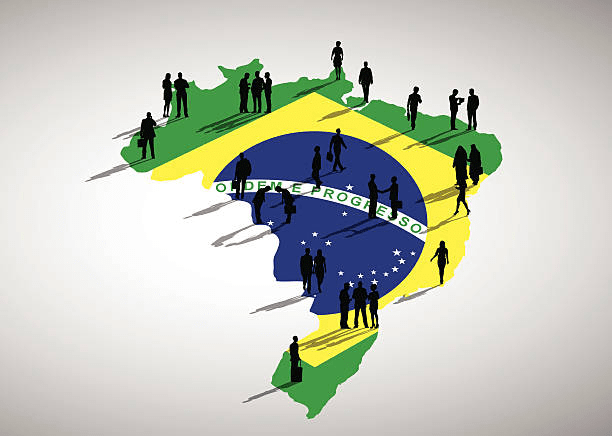
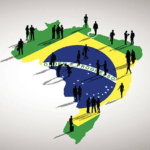
Few countries have felt the pressure of shifting US tariff policies quite as much as Brazil. When fresh trade barriers went up, agricultural and industrial markets that once depended on North American demand suddenly hit turbulence.
But rather than pulling back, Brazil has leaned in. As the world’s fifth-largest economy by land area and a key player in global trade, it is showing that a challenge in one market can spark opportunities in many others.
The question, however, is not whether Brazil can survive these tariff trials, but whether it can seize this moment to build a more sustainable future. As new opportunities unfold, Brazil’s challenge will be to balance short-term revenues with long-term growth, while proving to the world that a tariff setback can be the beginning of a global breakthrough.
What Are Brazil’s Main Export Products in 2025?
Brazil has the biggest economy in Latin America and the Caribbean. It is both an agricultural and industrial powerhouse, well known for producing large amounts of coffee, sugarcane, soybeans, beef, and poultry. Together, these export products sustain Brazil’s positive balance in foreign trade and reinforce its reputation as one of the leading exporters in global trade.
Preliminary data from the second and third quarters of 2025 show Brazil’s total exports reached a higher value compared with the previous year, proving that its diversification strategy is beginning to pay off despite recent tariff disruptions.
While the country’s trade balance with the U.S. has been impacted, Brazil has been successful in redirecting its shipments. For example, exports to Argentina surged by over 42% and to Mexico by over 17% in July 2025 compared to the previous year.
This reveals an important truth: the post-tariff environment has not weakened Brazil. It has sharpened its competitive edge. The country’s economy is proving adaptable, shifting its focus toward other countries and reducing its reliance on the United States, which has long been one of Brazil’s main export partners.
Why Is Brazil a Major Global Producer of Agricultural Goods?
Brazil is a global leader in agriculture due to its vast land area, advanced farming practices, and favourable climate, which often allows for multiple harvests a year. Agriculture is the backbone of its export economy, making it a critical player in global food security.
- Soybeans: Brazil accounts for over 40% of global soybean shipments, with China and the European Union as the largest importers.
- Corn and Animal Fodder: While Brazil’s corn production is massive, its export volume can fluctuate. As of August 2025, domestic factors like growing ethanol production and port congestion have slowed exports, creating a temporary “window of opportunity” for competitors. However, the country remains a significant player in the global market for corn and animal feed.
- Raw Sugar: Brazil is the world’s largest producer and exporter of raw sugar, which is a more significant component of its trade than sugar confectionery.
- Other Key Commodities: In addition to these major crops, Brazil is a leading exporter of coffee, beef, and poultry, with these sectors also reporting strong growth.
Brazil’s agricultural dominance is not just about natural resources; it’s also about strategic market positioning. The country is capitalising on its reputation as a dependable supplier to meet growing demand from countries like India and South Korea, which are seeking stable access to food commodities.
How Important Are Mineral Fuels and Crude Oil for Brazil’s Exports?
Mineral fuels and crude oil are a significant export for Brazil. They typically rank as either the number one or two export product by value, often competing with agricultural goods like soybeans.
This growth is primarily driven by Brazil’s development of its “pre-salt” deep-sea oilfields. These reserves have transformed the country into a significant net oil exporter, with production volumes consistently hitting new records in 2025.
Despite its current growth, the sector’s dependence on global oil prices makes it volatile. Sharp fluctuations can affect Brazil’s trade balance and national currency.
Therefore, while mineral fuels are a powerful engine for economic growth, Brazil’s long-term challenge is to continue this growth while also investing in and diversifying its economy into sectors like manufacturing and technology for more sustainable and stable development.
What Industrial Products Does Brazil Export to Other Countries?
Brazil exports a growing portfolio of industrial goods, including motor vehicles, machinery, nuclear reactors, and electrical equipment, with Latin America and Europe as the main markets.
- Argentina is a top buyer of motor vehicles, while Germany and Spain import machinery and industrial parts.
- Brazil’s shipments of electrical equipment and nuclear reactors to Mexico and Chile are rising, indicating industrial competitiveness in South America.
- Growth in machinery exports is linked to higher purchasing power parity in partner countries, driving demand for more advanced Brazilian products.
Industrial exports showcase Brazil’s potential to move beyond its image as just a commodity supplier. However, bottlenecks in logistics and high production costs remain obstacles. If Brazil can modernise its industrial operation, the sector could serve as a powerful counterbalance to the dominance of raw materials in global exports.
Who Are Brazil’s Main Export Partners in Global Trade?
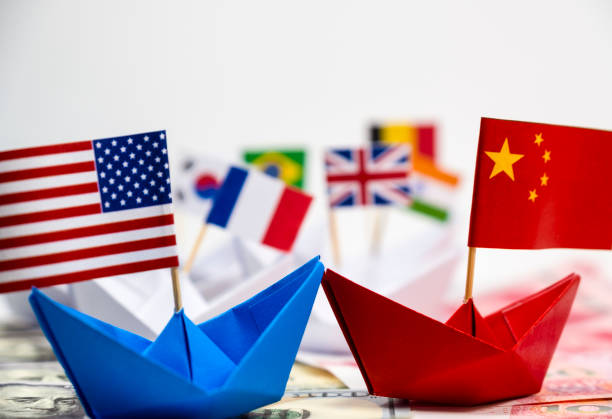
Brazil’s main export partners in 2025 reflect its diverse role in international trade. While China dominates in terms of volume and value, the European Union, the United States, and regional partners in Latin America also remain vital.
After US tariff adjustments, Brazil has been quick to expand into new markets in Asia and Africa, ensuring its total exports maintain a positive balance.
Why Is China the Largest Buyer of Brazilian Products?
China is the largest buyer of Brazilian products because of its massive population and consistent demand for food, energy, and raw materials.
China imports the most because it depends on Brazil’s soya beans, iron ore, and crude oil to sustain its manufacturing and food sectors.
- Over 70% of Brazil’s iron ore shipments go to China, making it the most critical buyer of this commodity.
- Agricultural export products, especially soybeans and animal fodder, are critical to China’s food security strategy.
- China also ranks as a leading buyer of Brazilian crude oil and beef.
Brazil’s dependence on China is both an advantage and a risk. While this relationship generates steady revenues in dollar terms, overreliance makes Brazil vulnerable to fluctuations in Chinese demand. A slowdown in China’s economy, as seen a year earlier, could weaken Brazil’s trade surplus overnight.
How Significant Is the European Union for Brazilian Exports?
The European Union (EU) is highly significant for Brazil’s exports, acting as a diversified and stable market. The EU buys large amounts of Brazil’s agricultural goods, crude oil, and manufactured export products, making it one of Brazil’s main export partners.
- The Netherlands, Germany, and Spain are among the top importers of soya beans, mineral fuels, and motor vehicles.
- EU demand is more diversified compared with China, with a mix of industrial and agricultural goods.
The EU is increasingly strict about sustainability and environmental standards. For Brazil, this is a double-edged sword.
On the one hand, access to wealthy European markets strengthens its economy. On the other hand, stricter regulations, particularly around deforestation, could make it harder for certain Brazilian exports to maintain market share.
What Role Does the United States Play as a Trading Partner in 2025?
The United States remains a key player but with reduced influence after recent tariff trials. The US continues to buy Brazilian products, especially sugar confectionery, energy, and manufactured goods, but tariffs have limited the volume of shipments compared with the previous year.
- In August 2025, new US tariffs targeted Brazil’s sugar confectionery and some processed foods.
- While exports of agricultural staples like soybeans remain relatively low due to US domestic production, Brazilian services exports to the US (IT and financial services) are gaining traction.
- The US still holds symbolic weight as one of Brazil’s main export partners, but the relationship is less dominant than before.
Brazil’s experience with the US highlights an important lesson: over-dependence on one market carries strategic risks. The tariff trials forced Brazil to diversify, something that may leave its economy stronger in international trade.
Where Are New Opportunities for Brazilian Exporters After US Tariffs?
After US tariffs, Brazil is actively seeking and finding new opportunities in Asia, Africa, and Latin America. New markets such as India, South Korea, and Singapore are becoming more critical for Brazilian exports, while traditional partners like Argentina and Chile continue to absorb industrial goods.
- India has increased imports of Brazilian pharmaceuticals and oil seeds, diversifying beyond traditional commodities.
- South Korea and Singapore are emerging as essential importers of iron ore, machinery, and energy.
- Argentina remains a buyer of motor vehicles, while Mexico and Canada are strengthening ties in industrial and agricultural trade.
What looks like a setback in the US has accelerated Brazil’s push into new markets. The shift ensures that Brazil’s exports are not overly concentrated, making the country’s economy more resilient to shocks. Brazil is no longer merely reacting to tariffs; it is proactively reshaping its role in global trade.
FAQs
1. What Are Brazil’s Top Three Exports in 2025?
Brazil’s top three exports in 2025 are soybeans, iron ore, and crude oil. These products generate the largest share of export revenues and underpin Brazil’s role as a global supplier of food, raw materials, and energy.
Soybeans remain Brazil’s strongest export, feeding global demand, particularly from Asia. Iron ore shipments continue to power industrial production worldwide, while crude oil, supported by offshore reserves, secures Brazil’s standing in the energy market. Together, these sectors drive both trade surplus growth and foreign exchange earnings.
2. Who Buys the Most Brazilian Soybeans and Iron Ore?
China buys the most Brazilian soybeans and iron ore in 2025. The country relies heavily on Brazil’s agricultural and mineral exports to fuel its food security and industrial output.
China’s expanding population and livestock industry make Brazilian soybeans indispensable, while its steel and manufacturing sectors depend on high-quality Brazilian iron ore. This trade relationship has made China Brazil’s single largest export destination, accounting for more than a quarter of Brazil’s total export revenues.
3. Why Is Brazil’s Trade Surplus Important for Its Economy?
Brazil’s trade surplus is essential because it strengthens the economy by boosting foreign reserves, supporting currency stability, and funding national development. A surplus means exports consistently outweigh imports, giving Brazil more financial resilience.
This buffer helps Brazil reduce external debt pressures, attract foreign investment, and stabilise its currency against volatility. It also enables the government to reinvest in infrastructure, technology, and environmental sustainability, which are critical factors as Brazil seeks to expand its global trade influence beyond traditional partners like the United States.
Conclusion: Turning Tariffs into Trade Triumphs
Brazil’s export story in 2025 is one of adaptation and resilience. The tariff trials with the United States prompted the country to reassess its dependency and adjust its shipping routes. By leveraging its agricultural strength, mineral wealth, and growing industrial base, Brazil has not only protected its revenues but also discovered broader global opportunities.
The challenge ahead is to balance growth with sustainability. Infrastructure limitations, environmental concerns, and currency risks remain hurdles. Yet, if Brazil continues to diversify its partners and modernise its export systems, these post-tariff years could mark the beginning of its rise as a stronger and more independent global trading power.
At TradeDataPro, we track these shifts in global trade to help businesses make informed decisions. For deeper insights into Brazil’s evolving export markets and global opportunities, explore our resources in navigating international trade dynamics.